
Understanding the Essence: What Is Code?
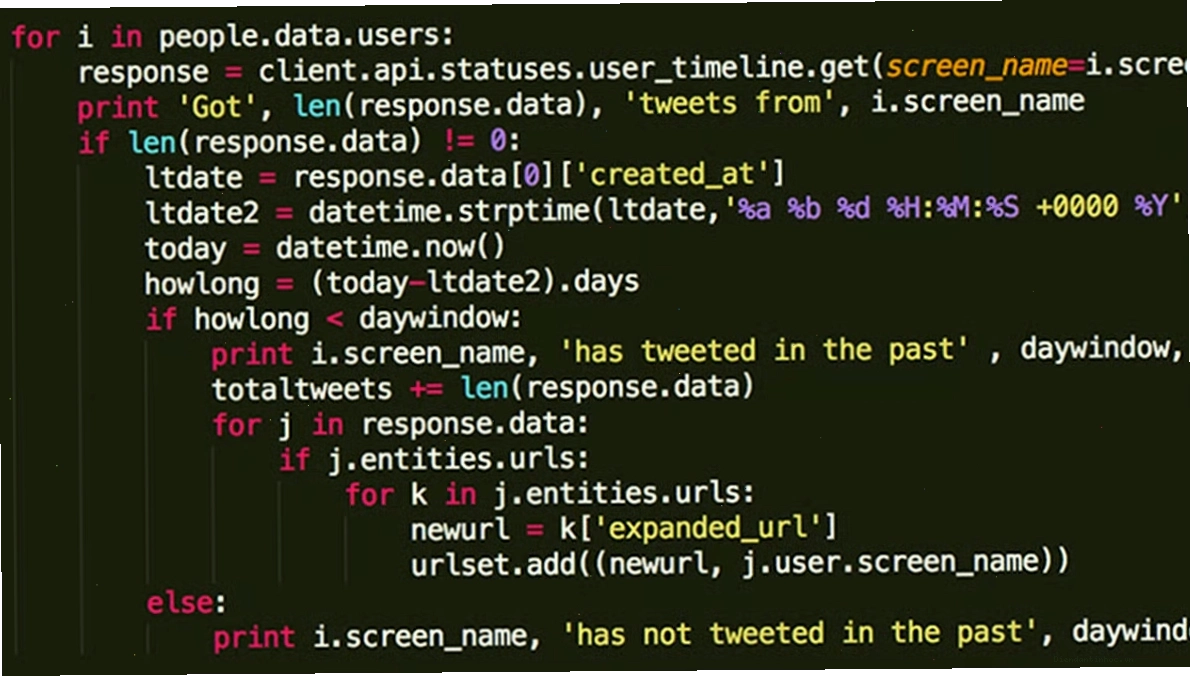
In the rapidly evolving landscape of technology, the term code is ubiquitous, yet its precise definition can sometimes feel elusive. At its core, code represents the instructions written by developers in a specific programming language, dictating to machines precisely what actions to perform. For decades, the practice of coding involved meticulously typing out each word, with progress often measured by the efficiency of producing, compiling, testing, and deploying these instructions. However, the advent of modern Large Language Models (LLMs) has begun to shift this paradigm, enabling the generation of substantial amounts of executable code from high-level descriptions, prompting a deeper inquiry: If code production becomes more accessible, what truly holds lasting value?
Two Fundamental Aspects of Code
Code has historically fulfilled two interconnected roles. Firstly, it functions as a set of instructions for a machine. This involves directing computation, managing data flow, interacting with storage systems, and orchestrating execution processes. This particular aspect is increasingly being commoditized, especially with the advancements in LLMs. Secondly, and arguably more importantly for the future, code serves as a conceptual model of the problem domain. This is the 'design' facet, where a well-structured codebase not only contains machine instructions but also embodies concepts that humans and tools can use for reasoning and understanding. The act of coding is the intersection where these two aspects meet, as we shape the very concepts, terminology, boundaries, and relationships through which a system is comprehended.
Conceptual Models and the Power of Vocabulary
Making the conceptual model explicit is a profound aspect of coding, driven by the specific domain and the intended use cases of the system. Every domain possesses its established processes, practices, and, crucially, a shared vocabulary. This vocabulary is the visible manifestation of the conceptual model. While vocabulary generally refers to the set of words used within a language or subject, understanding code requires more than just linguistic proficiency. It demands a grasp of the specialized lexicon of a particular field, such as software development. When a term like 'abstraction' is used in this context, it carries a specific software development meaning, history, and set of implications far beyond its everyday English usage. Domains with established vocabularies are mature areas where communication relies heavily on shared understanding. Whether communicating with another person, a software framework, or an LLM, the words employed must accurately map to concepts that the recipient can comprehend and act upon. The effectiveness of what is code ultimately hinges on this shared conceptual and linguistic foundation.
Vocabulary in Code and Local Contexts
A well-designed codebase effectively communicates its underlying concepts through its vocabulary. This is where the concept of Bounded Contexts becomes vital in software architecture. A Bounded Context establishes a clear boundary within which a particular model and its associated vocabulary are defined and understood. This prevents ambiguity and ensures that terms have consistent meanings within their specific operational scope. For instance, the term 'customer' might mean something different in a sales department's context than it does in a support department's context. By defining Bounded Contexts, developers create distinct models for each, preventing 'vocabulary pollution' and ensuring clarity. This focus on local vocabularies is essential for building complex systems that are understandable and maintainable.

Programming Languages as Tools for Thinking
Programming languages are more than just syntactical structures for instructing machines; they are powerful tools that shape how we think about problems and solutions. The choice of programming language can influence the design patterns used, the efficiency of the code, and even the clarity of the conceptual model. Different languages offer varying levels of abstraction and paradigms, allowing developers to express complex ideas in different ways. For example, a functional programming language encourages a different way of thinking about state and computation compared to an object-oriented language. The precision required in writing code also forces a level of exactness in thought that can be challenging but ultimately rewarding. While humans excel at handling ambiguity, code demands strict adherence to rules, making the process of what is code a rigorous exercise in logical thinking.
The Role of LLMs in Modern Coding
The emergence of Large Language Models (LLMs) like OpenAI's Codex has introduced a new dimension to software development. Tools such as what is codex and related AI assistants can now generate code from natural language prompts, significantly accelerating the development process. This capability allows developers to focus more on the higher-level design and conceptual modeling rather than getting bogged down in the minutiae of syntax. However, it also raises important questions about the nature of programming and the skills required. Understanding the generated code, ensuring its correctness, and integrating it into existing systems still requires human expertise. The interaction between developers and LLMs is evolving, leading to new workflows and challenges. The concept of what is codex in chatgpt relates to how these powerful language models are being integrated into broader conversational AI platforms, extending their utility beyond simple code generation.
Cognitive Debt and Shared Understanding
As systems grow in complexity, a phenomenon known as cognitive debt can accumulate. This refers to the implied cost of additional rework caused by choosing an easy (limited) solution now instead of using a better approach that would take longer. In the context of code, cognitive debt can arise from poorly documented code, inconsistent naming conventions, or a lack of clear conceptual models. This makes it harder for developers (including your future self) to understand, maintain, and extend the codebase over time. Effectively managing cognitive debt requires a commitment to clear communication, robust design, and a shared understanding of the system's purpose and structure. Code, when well-crafted, serves as a form of documentation and a shared conceptual model that helps mitigate this debt.
Code as a Harness and Context
Ultimately, code acts as both a harness and a context. It harnesses the power of machines to perform specific tasks, while also providing the context through which a problem and its solution are understood. The design aspect of code—the conceptual model—is what provides this rich context for human understanding. It guides how developers interact with the system, how they debug issues, and how they plan future enhancements. Even with the advancements in AI-driven code generation, the human ability to define the problem, design the solution, and articulate the underlying concepts remains paramount. The question what is code therefore extends beyond mere instructions; it encompasses the entire intellectual framework built around those instructions.
Conclusion: The Enduring Value of Code as Design
In 2026, the value of code lies less in the act of typing and more in the quality of the conceptual model it represents. While LLMs are revolutionizing the production of code instructions, the human capacity for design, abstraction, and clear communication through vocabulary remains indispensable. Understanding what is code deeply involves appreciating its role in defining problems, structuring solutions, and fostering shared understanding within development teams and with machines. As technology continues to evolve, the focus will likely shift further towards the design and conceptual aspects of coding, making expertise in domain modeling and clear communication more critical than ever. Embrace the power of well-defined code to build robust, understandable, and maintainable systems for the future.
Related Concepts and Further Exploration
To further your understanding of what is code, exploring related concepts is essential. Consider how different programming languages facilitate distinct approaches to problem-solving and how the principles of software architecture, such as modularity and separation of concerns, contribute to creating maintainable systems. The evolution of AI in software development, including discussions around what is code switching in the context of human-AI interaction, also offers valuable perspectives on the future of coding.